
The ABCs of American Fire Marks
The history of the Shawnee Fire Insurance Company of Topeka, Kansas, from its 1893 reorganization to its 1910 sale and the auditors' fraud findings.
By The Old Underwriter
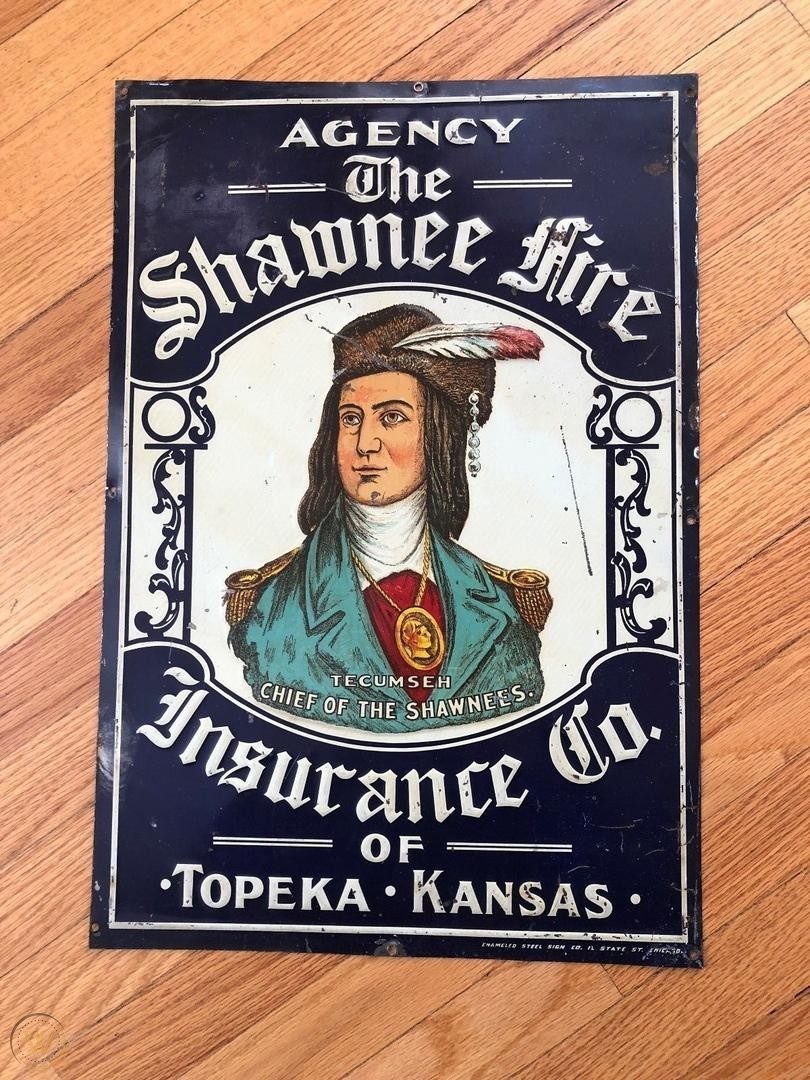
S is for the Shawnee Fire Insurance Company, Topeka, Kansas
Bulau 469, 469-X-1&2
Originally organized March 1882 as the Kansas Farmers’ Fire Insurance Company, Abilene, Kansas, a mutual, it was reorganized on February 1, 1893, as a stock company with the name Shawnee Fire Insurance Company and moved to Topeka, Kansas. The Kansas Farmers’ had recently been involved in a notable controversy with a judge and the insurance commissioner concerning its soundness and tendency to resist paying claims, but the change of city and the addition of $100,000 paid in capital allowed the matter to cool off. The new company was the first stock fire insurance company organized in Kansas and was greeted with favorable reviews and endorsements.
The company continued to grow, and on December 31, 1909, boasted premium income of over $1,500,000, with a surplus of $192,984. While their 1909 Annual Report to the Kanas Insurance Department was greeted favorably in Kansas, it was viewed differently by the industry. Best’s Insurance Reports noted that its high volume of business for its limited resources was an “undesirable condition.” The company had grown too fast, and the unearned premium reserve was too high in relation to its earnings. With a 1909 loss ratio of 61.1% and an expense ratio of 41.2%, the Shawnee Fire had an underwriting loss of $47,902 and decrease of surplus, $9,458. Even with an underwriting loss, the Shawnee still paid a $30,000 dividend to the stockholders
On September 20, 1910, the majority stock owners, who also happened to be the chief executives of the company, decided to sell to and reinsure in the National Fire Insurance Company of Hartford. The sale price was not announced but thought to be $300 a share at a par value of $100. That would be a price of about $600,000 on a capital of $200,000; quite a large profit even for a company that had paid an average of 15% dividends for the past three years. Even with these warning signs, the National Fire welcomed the deal as a way to increase a large book of business and agents in Kansas and Oklahoma.
While all this was transpiring, Minnesota and Virginia auditors from the National Association of Insurance Commissioners completed their audit of the Shawnee Fire and made its report to the September 1910 meeting of the Commissioners’ National Convention. The auditors accused the Shawnee officers of filing fraudulent annual statements for years. By grossly understating unearned and outstanding premiums, and unadjusted losses over the years, the company’s 1909 statement showing $200,000 capital and almost the same in surplus was false. Actually, both capital and surplus were wiped out and the company was insolvent to the amount of $100,000. Also, the company borrowed large sums of money on notes issued by its officers. Additionally, for years Vice President and manager, James W. Going, had monthly deposits, not as salary, made to his account solely based on his signature. The auditors noted that there were evidences of criminality in various transactions, which would be forwarded to the Kansas authorities.
Even though all this was reported in the insurance press at the time, there were no repercussions. The National Fire had to be aware of the unearned premium deficiency as a result of the reinsurance transfer but didn’t raise any objections. They got what they wanted, and no policyholders were injured. Mr. Going let it be known that he was going to retire and move to California. He showed up a few years later as underwriting manager at a surplus line’s reciprocal in Chicago.